Posted on 2/27/2026
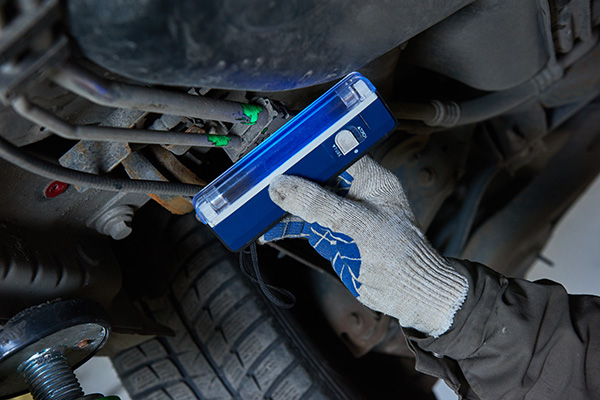
A/C leaks usually do not announce themselves with a big puddle or an obviously broken part. Most of the time, cooling just slowly gets weaker, especially on hotter days or when you are sitting in traffic. That slow change is why people end up topping off refrigerant more than once, even though refrigerant does not get used up. When you find the leak early, the repair is usually simpler, and the A/C stays cold longer. Why Dye Testing Works For A/C Leak Finding Dye testing works because most A/C leaks carry a little bit of refrigerant oil with them. A UV dye is added to the system, then the vehicle is run normally so the dye circulates with the oil. If refrigerant escapes, the dye tends to leave a trace at the leak point. Under a UV light, that trace stands out clearly, even when the leak is too small to spot with the naked eye. This approach is especially helpful for slow leaks that only show up under certain temperatures and pressures, which is common in real-wor ... read more
Posted on 1/30/2026

It’s frustrating when the check engine light comes on, and the car still drives normally. No shaking, no weird noises, no obvious loss of power. That’s usually when people reach for a cheap code reader, see a short description, and start wondering if it’s safe to ignore. Sometimes it’s minor. Sometimes it’s the early warning before a bigger problem shows up. The hard part is that a car can feel fine while it’s still failing an emissions check, running hotter than it should, or slowly damaging a component you can’t hear. Why The Light Can Turn On Without Any Driveability Symptoms A lot of engine faults relate to emissions controls, fuel mixture fine-tuning, or sensor performance. Those issues can set a code without changing how the car feels in the driver’s seat. Modern engine computers are also designed to compensate. They can adjust fueling, timing, and idle strategy to keep things smooth even when something is drifti ... read more
Posted on 12/19/2025
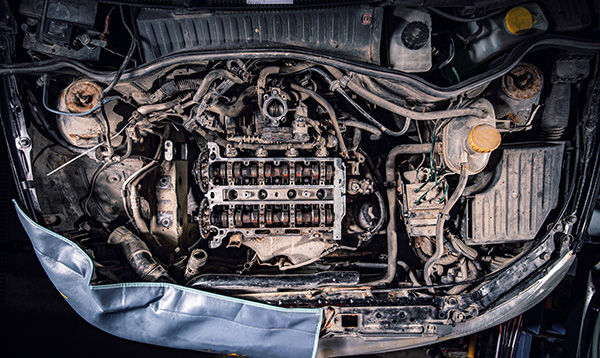
Skipping an oil change once or twice can feel harmless, especially if the engine sounds normal and there are no warning lights. The trouble is that oil problems build slowly, out of sight, while everything still seems fine from the driver’s seat. By the time you hear new noises or notice performance changes, the damage has usually been building for thousands of miles. Treating oil changes as cheap insurance is one of the best ways to keep an engine healthy. Why Your Engine Depends On Fresh Oil Engine oil is more than a slippery liquid. It creates a protective film between moving parts, carries heat away from hot spots, and holds tiny metal particles and soot in suspension so the filter can catch them. Modern engines use tight clearances, variable valve timing, and sometimes turbochargers, all of which depend on clean oil at the right thickness. As miles add up, the oil’s additives get used up fighting heat, wear, and contamination. Detergents that used ... read more
Posted on 11/28/2025

Parking a car for months is more than just tossing on a cover and turning the key off. A little prep now protects paint, electronics, tires, and seals from the kind of slow damage that shows up in March. With Seattle’s cool, wet winter, moisture control matters, and so does the way you handle fuel, battery, and tires. Here is a straightforward plan that keeps your vehicle happy while it hibernates. Why Proper Storage Saves You Money Sitting still can be hard on a car. Fuel starts to oxidize, batteries discharge, tires pick up flat spots, and humidity creeps into places it doesn’t belong. The result is rough running, warning lights, and new noises when you finally fire it up. A short checklist before you park prevents most of that. Think of storage prep as a mini service visit you do once, so spring driving feels normal and trouble-free. Choose the Right Spot and Prep the Exterior If you have a garage, you already have a head start. Co ... read more
Posted on 10/31/2025

Thanksgiving road trips are a tradition for many families, but they come with heavy traffic, unexpected delays, and vehicle problems that can turn a holiday getaway into a stressful experience. With millions of people hitting the road during the same week, smart planning becomes the key to a smooth trip. A little preparation before you leave can save you from frustration on the highway and keep your car running reliably the entire way. Here’s how to make your interstate Thanksgiving trip safer, smoother, and less stressful. Time Your Departure Wisely One of the easiest ways to avoid congestion is to plan your departure around peak traffic times. Most travelers hit the road the day before Thanksgiving, often in the afternoon and early evening. If possible, leave early in the morning or adjust your plans to travel on Tuesday instead of Wednesday. Returning on Sunday? Consider waiting until Monday if your schedule allows. Giving yourself extra time around the ho ... read more